As you browse the site, add accommodation, tours, events and attractions to your personalised trip by clicking the heart icon. When you’re done, click the heart icon in the menu at the top of the website to view your wishlist.
Review your list, remove any items you no longer need, then select “View your itinerary” to see your trip on a map, or send it to a friend.
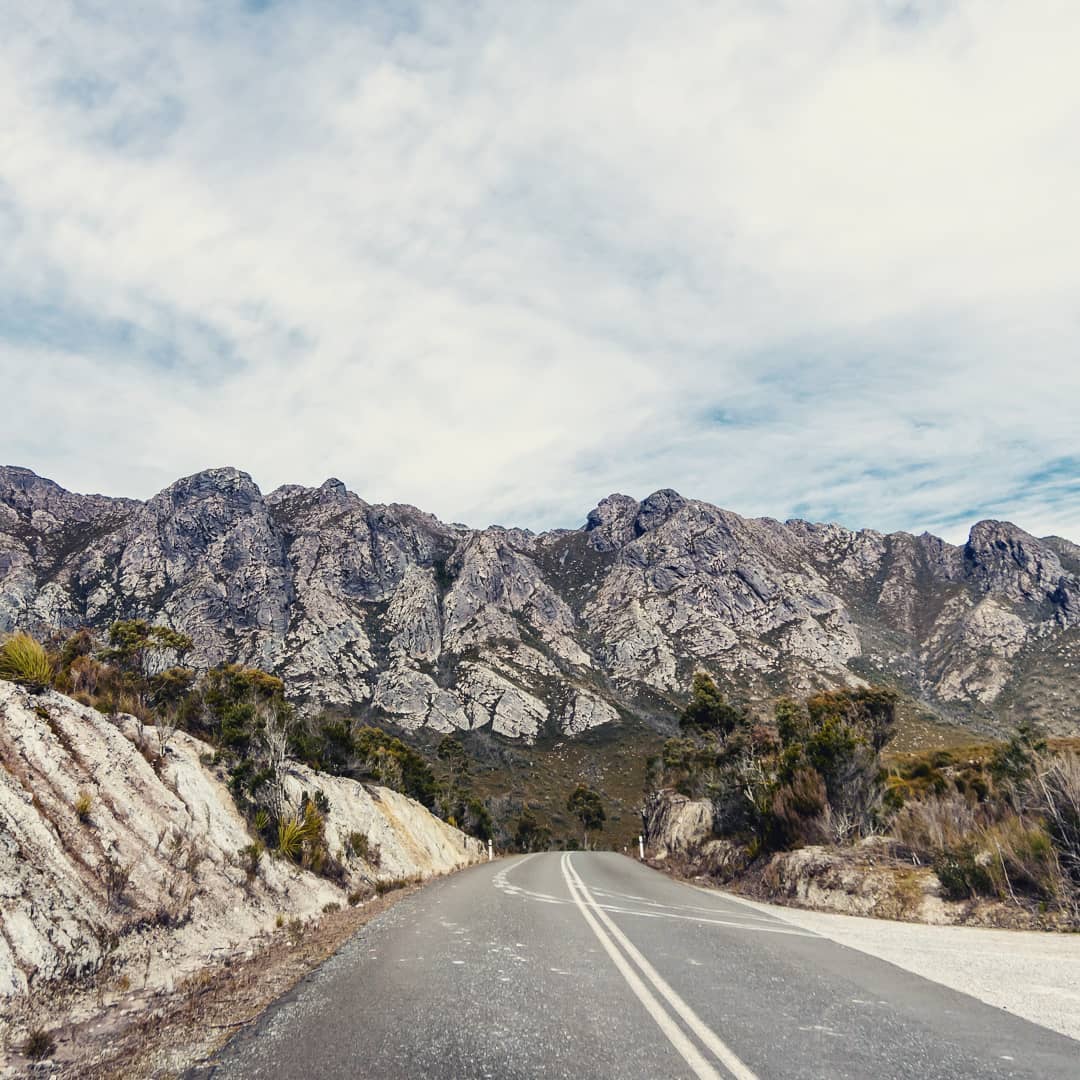
Gordon River Road, on way to Strathgordon. Image Credit Stu Gibson
Strathgordon is literally the place at the end of the road, nestled deep within Tasmania’s rugged southwest on the edge of World Heritage Wilderness Area. Adventure awaits, with hiking, fishing, boating, kayaking, and swimming—not to mention the world’s highest commercial abseil to conquer! We’ve put together some tips to help you plan a wild time.
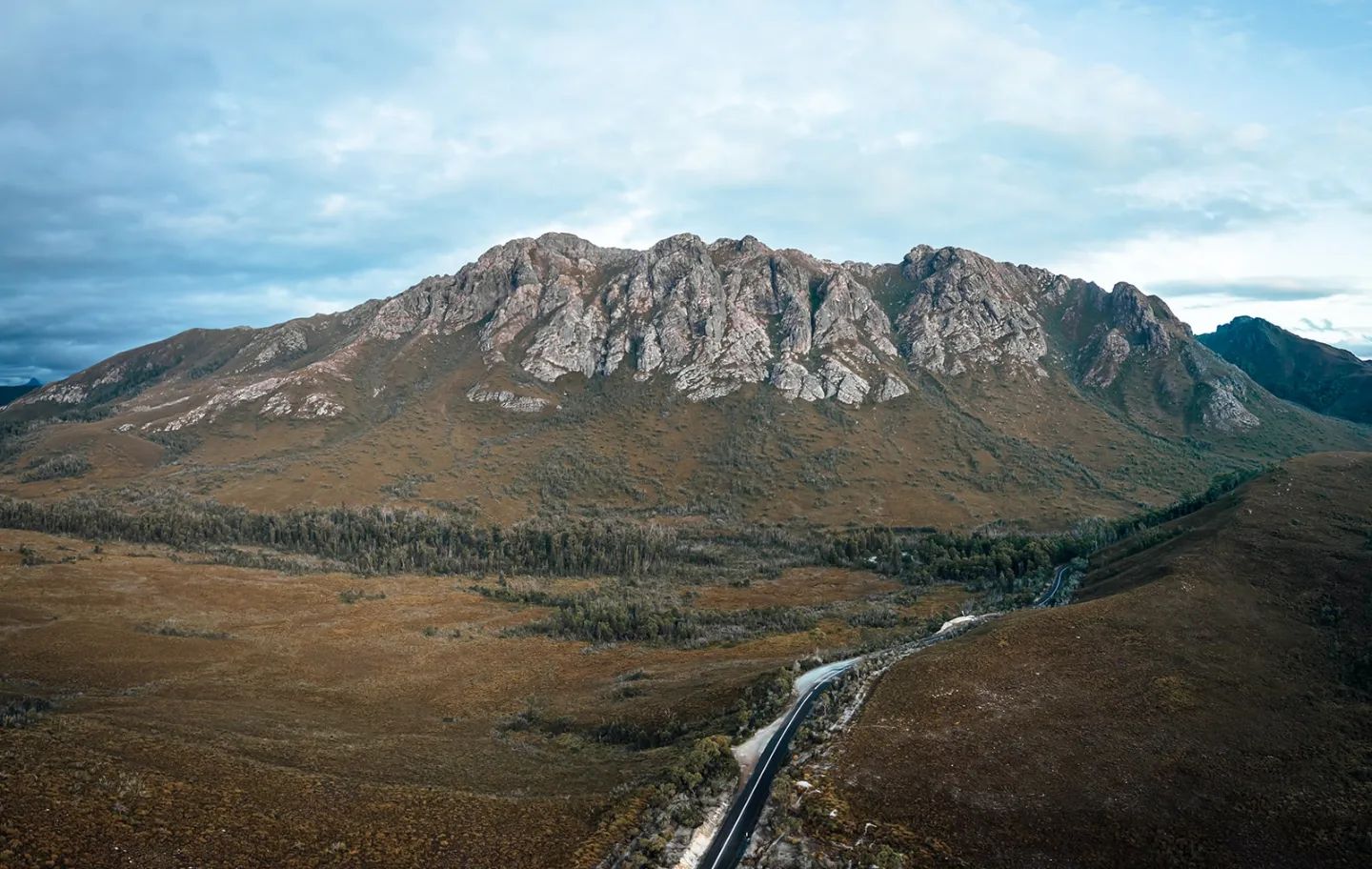
The scenic drive winds through part of Tasmania’s World Heritage Wilderness Area, with the Southwest National Park to the south and the Franklin-Gordon Wild Rivers National Park to the north.
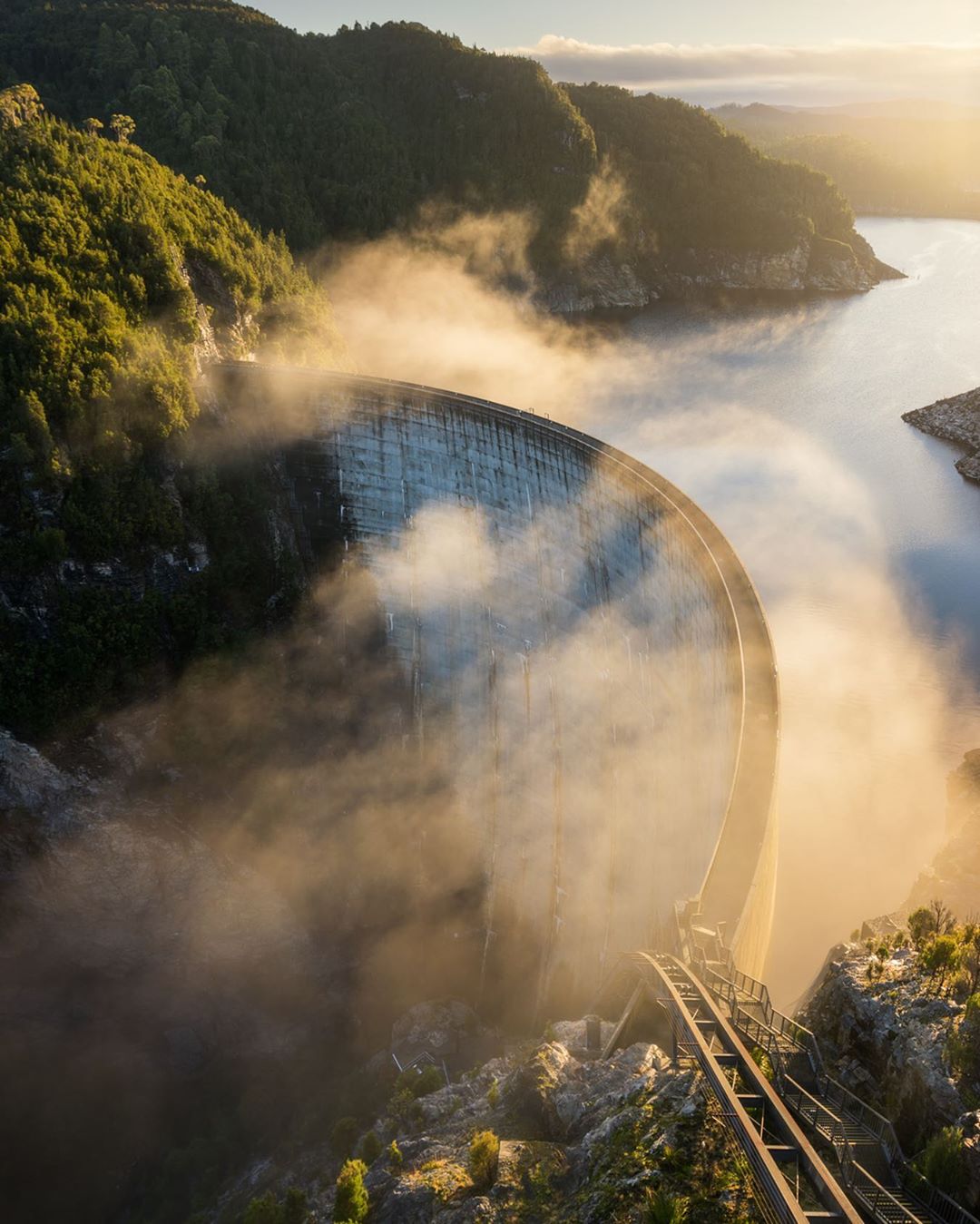
Gordon Dam @benjamin.saillour.photography
How to get to Strathgordon and Gordon Dam
From Hobart, it’s around a 2-hour 15 minute drive west to Strathgordon. We recommend taking your time and exploring the many attractions of the Derwent Valley on the way. The drive itself is spectacular and forms part of the epic Western Wilds journey (fill up the petrol tank at Westerway Roadhouse). Be aware that there are steep, windy sections of road that are subject to ice and snow, so please drive to conditions and watch out for wildlife.
The scenery is particularly impressive along Gordon River Road, which starts near the Mount Field National Park. The scenic drive winds through part of Tasmania’s Wilderness World Heritage Area, with the Southwest National Park to the south and the Franklin-Gordon Wild Rivers National Park to the north. The unsealed Scotts Peak Road, off Gordon River Road, is also super scenic (several walks also begin off this road). Sections were burnt in the early-2019 bushfires, but it is fascinating to see the new green shoots emerging.
Along both roads, take the time to stop at the lookouts and viewing bays (they should be well signed). The Lake Pedder Lookout is a must—don’t forget the camera!
The town of Strathgordon was built for hydroelectric workers to live in during construction of the dam. Today, visitors can wander around the old town and discover the area’s engineering history. Learn about the incredible challenges overcome by resilient people in this remote location. Additionally, learn about the natural history lost to these grand feats of engineering, including the original Lake Pedder with its stunning pink quartz sand beach.
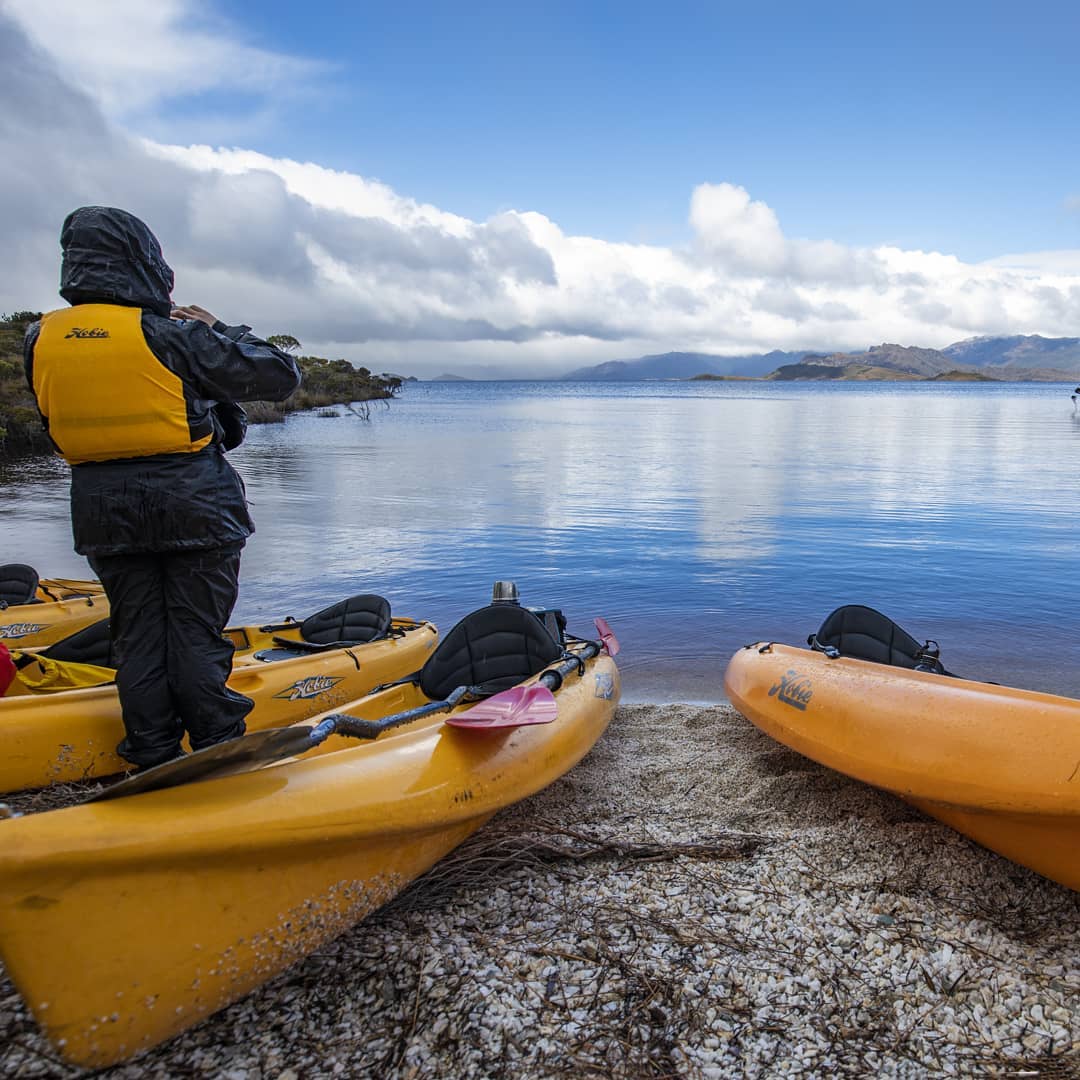
Lake Pedder is Australia’s largest freshwater lake and water catchment system. The lake is accessible for trout fishing, boating, kayaking and swimming, while the surrounding wilderness offers a range of walks. The Teds Beach Boardwalk offers ideal entry points into the lake. If you’d like a guide to enrich your experience, join the Lake Pedder Kayak Tour with Tassie Bound Adventure Tours to admire Lake Pedder from the water.
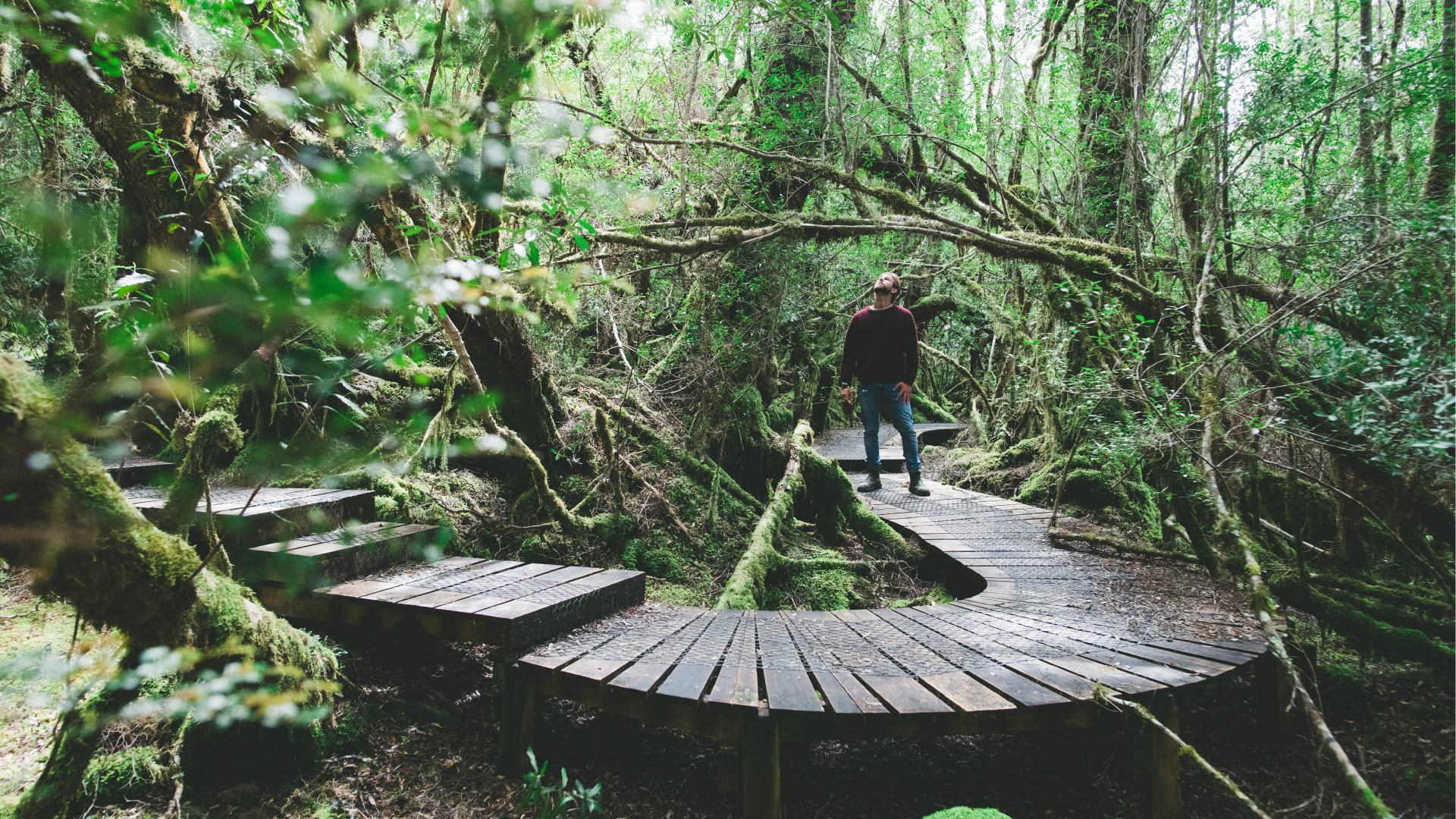
Creepy Crawly Nature Trail. Image credit: Stu Gibson
What are the best walks around Strathgordon?
There are a range of walking trails around Strathgordon exploring the region’s forests, rivers, lakes, and mountains. Before you go, read Tasmania Parks & Wildlife Service’s Essential Bushwalking Guide and watch the informative short video. Some walks remain closed following the early-2019 bushfires, so please check track opening and closures for updates. We’ve listed some of the open walks below.
Take a deep breath and descend the steel mesh steps onto the Gordon Dam wall. The dam holds 30 times the water of Sydney Harbour, so take in the awe-inspiring view and appreciate the grandeur as you walk.
Stroll along the boardwalk at Teds Beach (10 minutes return) for a different perspective on the vastness of Lake Pedder (and a glimpse towards the Frankland Mountains).
The Creepy Crawly Nature Trail (20 minutes return) starts 10km down Scotts Peak Road. Follow the boardwalk through lush, temperate rainforest for an easy mix of tranquility and adventure.
Walk the Twisted Sisters track loop
Follow the Port Davey Track sign from the Huon Campground and enjoy a 1–2 hour return walk through beautiful forest, winding through an interesting mixture of moorland, scrub and rainforest. At the end of the forest (about 1 km along), turn around and head back.
The Mount Wedge Track is open, and sits between Lake Pedder and Lake Gordon. The walk offers amazing views of surrounding wilderness, including the dramatic Sentinel Range (which you can conquer as a separate walk). The 5-hour return track starts from the Creepy Crawly Nature Walk circuit and becomes a steep climb to the summit.
For the ultimate bucket-list experience, tackle the challenging multi-day Port Davey and South Coast tracks (very experienced, well prepared walkers only).
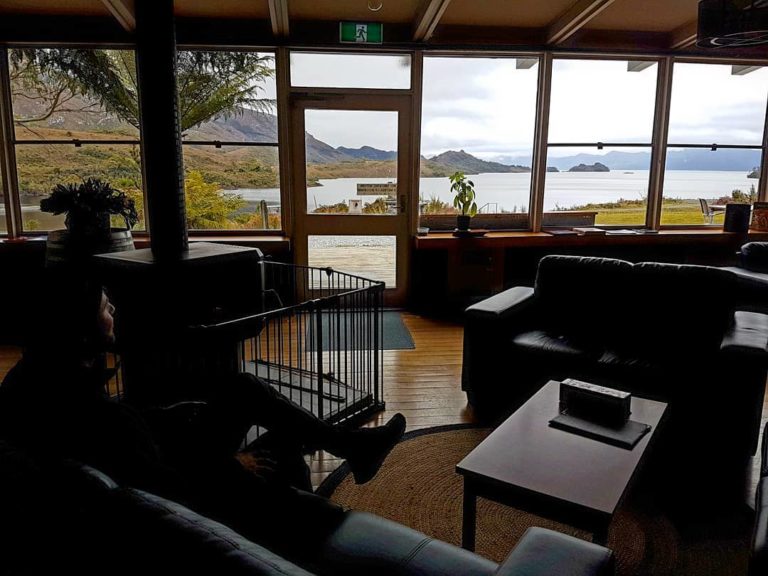
Yes, book yourself into a room or self-contained apartment at the Pedder Wilderness Lodge. Adventure by day, then wine, dine and relax in the restaurant and bar by night. Find and marvel at the size of the 2,000 year old Huon pine stump near the dam wall.
There are also free campsites located along both Gordon River Road and Scotts Peak Road, which vary from very basic sites with no facilities to sites with toilets and tank water (fancy). Teds Beach has toilets and electric barbecues, Edgar Campground has toilets and fireplaces, and the Huon Campground has a shelter, composting toilets and fireplaces.
Subscribe for updates on what's happening in hobart and beyond
We use cookies to ensure that we give you the best experience on our website. If you continue to use this site we will assume that you are happy with it.OkPrivacy policy