Home » Explore Southern Tasmania » Explore Far South Tasmania
Tasmania’s Far South begins beyond Geeveston, around 60 kilometres south of nipaluna / Hobart, and stretches through Dover, Southport and Hastings to the end of the road at Cockle Creek.
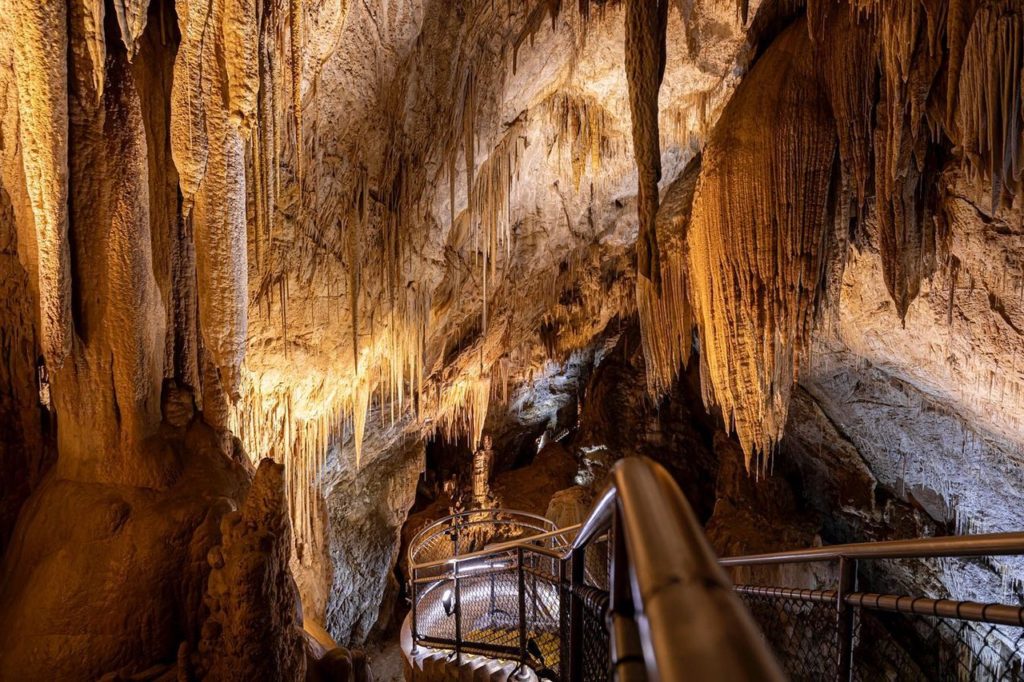
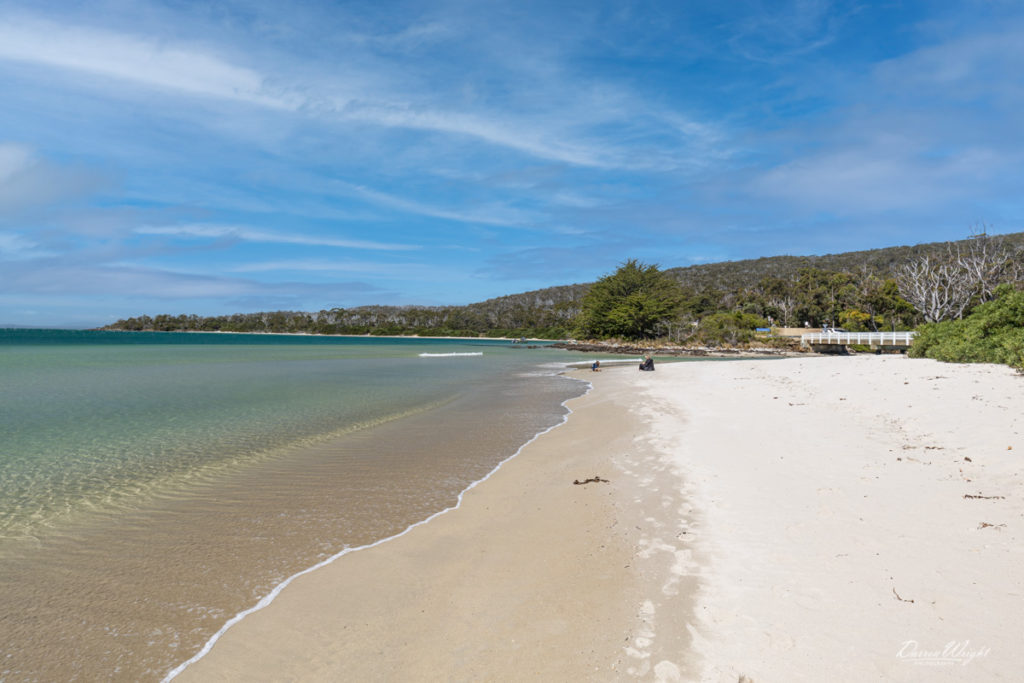
This is a place of quiet coastal towns, deep forests, ancient dolomite caves and wild Southern Ocean landscapes. Tour Newdegate Cave and swim in the thermal pool at Hastings Caves State Reserve, walk through forest to Duckhole Lake, explore the shores of Recherche Bay or continue south to Cockle Creek, the southernmost point you can reach by road in Australia. Stay a little longer and use Dover or Southport as a base for walking, camping, kayaking, fishing and slow days beside the water.
Cockle Creek is the southernmost road-accessible point in Australia and a gateway to Southwest National Park and the South Cape Bay walk. Hastings Caves State Reserve is approximately 90 minutes south of Hobart and includes guided cave tours, a thermal pool and forest walks.
Things to Do in Far South Tasmania:
From caves and thermal springs to wild coastlines and forest walks, the Far South rewards travellers who keep following the road.
These are some of the places worth building into your trip.
Explore Far South, Southern Tasmania:
The Far South forms the southern end of the wider Huon Valley region.
For most visitors, Geeveston is the gateway, with Dover, Southport, Hastings and Cockle Creek found further south.
- EV Charging
- EV Charging
- EV Charging
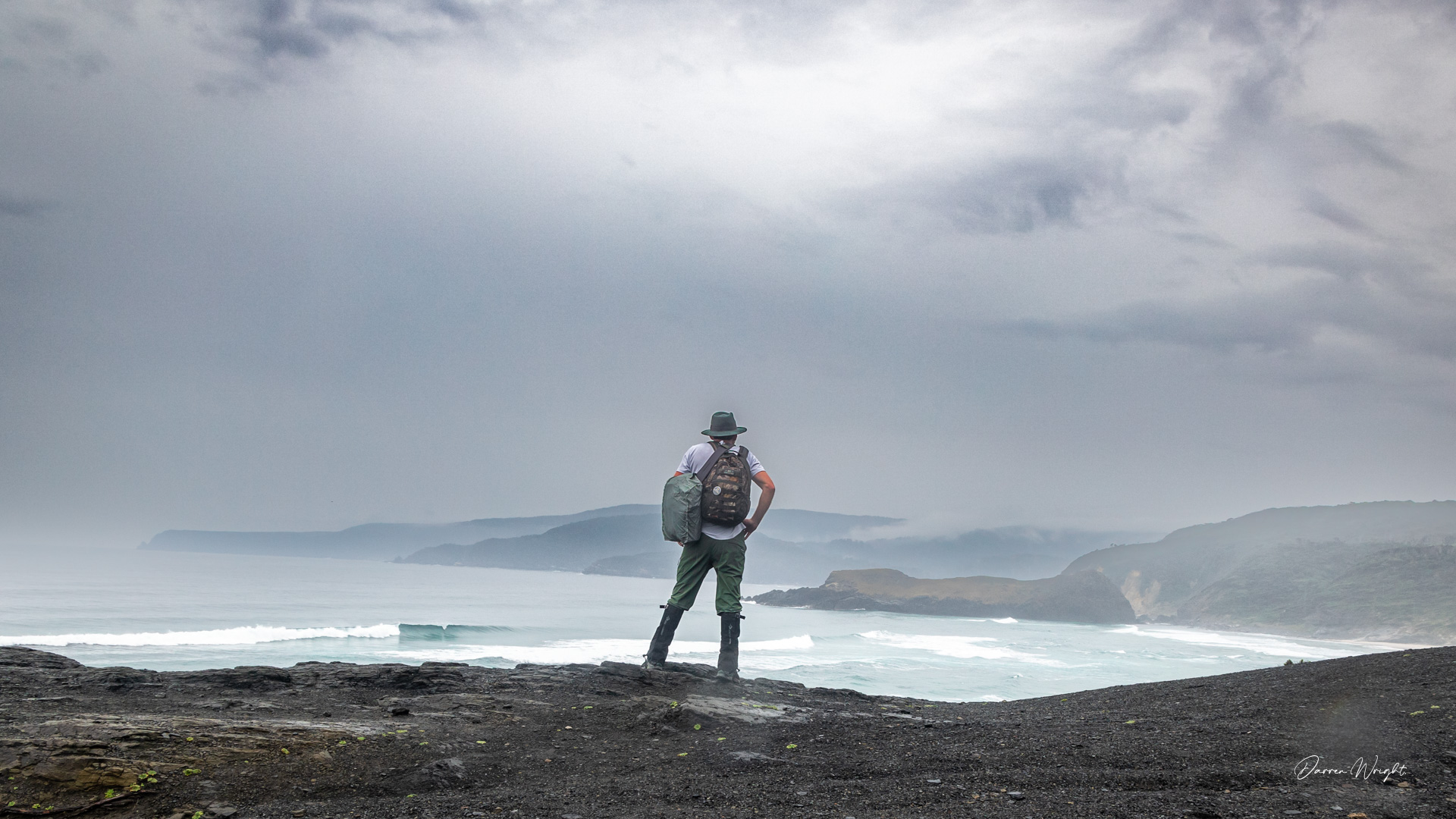
Cockle Creek to South Cape Bay, Exploring Tasmania’s Natural Wonders
Sitting at the southernmost tip of Australia lies a serene and untouched wilderness that beckons adventurers and nature enthusiasts alike.
Far South Tasmania Touring Map
The Far South of Tasmania invites you to explore its wild beauty. Discover highlights like the thermal springs at Hastings Caves, the serene Duckhole Lake, and the breathtaking end-of-the-road wilderness at Cockle Creek. Download the Far South Touring Map to plan your adventure.
How to get to Tasmania’s Far South
The Far South is best explored by car. From nipaluna / Hobart, follow the Southern Outlet and Huon Highway through Huonville and Geeveston.
Approximate driving times from Hobart are:
- Geeveston: 1 hour
- Dover: 1 hour 20 minutes
- Southport: 1 hour 35 minutes
- Hastings Caves: 1 hour 30 minutes
- Cockle Creek: around 2 hours
Allow more time for stops, road conditions and the final unsealed sections towards Cockle Creek. Fuel, food and mobile coverage become less reliable as you travel further south, so prepare before leaving Dover or Southport.
Cockle Creek is around 121 kilometres and approximately two hours from Hobart. There are no shops or services at Cockle Creek.
How many days do you need in Far South Tasmania?
You can visit Hastings Caves or Dover on a day trip from Hobart, but two or three days gives the Far South room to breathe.
One day:
Visit Geeveston, tour Hastings Caves and stop in Dover before returning to Hobart.
Two days:
Stay in Dover or Southport, visit Hastings Caves and spend the following day exploring Recherche Bay and Cockle Creek.
Three days or more:
Add Duckhole Lake, a longer walk such as South Cape Bay, time on the water or a slower day exploring beaches, forest roads and small communities.
When is the best time to visit Far South Tasmania?
The Far South can be visited throughout the year, but conditions shape the experience.
Summer brings longer days for walking, camping and exploring the coast. It is also the busiest time around Cockle Creek and Recherche Bay.
Autumn is generally quieter, with cool walking conditions and softer light across the forests and bays.
Winter suits cave visits, forest walks, cosy accommodation and quiet coastal stays. Days are shorter, and higher or exposed areas can be cold, wet or icy.
Spring brings changing weather, new forest growth and good conditions for road trips, although walkers should remain prepared for rain and wind.
Weather can change quickly in southern Tasmania. Visitors heading into national parks should check current conditions, road alerts and park advice before leaving.
Before you travel
The Far South becomes increasingly remote beyond Dover and Southport.
Visitors should know that:
- Mobile coverage can be limited
- Fuel and food are not available at Cockle Creek
- Some roads are unsealed
- Weather can change quickly
- Cave tours may need to be booked
- A parks pass may be required for national park areas
- Walkers should carry suitable clothing, water and navigation information
- Camping conditions and access can change
Frequently Asked Questions:
Far South Tasmania begins beyond Geeveston, at the southern end of the Huon Valley region. It includes Dover, Southport, Hastings, Recherche Bay and Cockle Creek.
Geeveston is around one hour from Hobart, Dover around one hour and 20 minutes, and Cockle Creek approximately two hours away by car. Driving times vary with conditions and stops.
Popular experiences include touring Hastings Caves, swimming in the thermal pool, visiting Dover and Southport, walking to Duckhole Lake, exploring Recherche Bay, driving to Cockle Creek and walking the South Cape Bay Track.
Yes. Dover, Hastings Caves and some nearby walks can be visited on a day trip from Hobart. Staying overnight gives you more time to reach Cockle Creek and explore the coast without rushing.
Dover has the widest range of services and accommodation. Southport suits a quieter coastal stay, while cabins, holiday homes, retreats and campgrounds are available throughout the wider region.
The route includes unsealed sections as it approaches Cockle Creek. Conditions can vary, so drivers should allow extra time and check current road advice.
No. Cockle Creek has no shops or fuel, so bring food, water and other supplies from Dover or Southport.
Guided tours operate at scheduled times and availability can vary. Booking ahead is recommended, particularly during weekends, school holidays and summer. Visitors should confirm current times with the Parks and Wildlife Service.
Hobart and Beyond Editorial Team
The Hobart and Beyond Editorial Team is dedicated to bringing you the best insider tips, local stories, and up-to-date guides to exploring southern Tasmania.
Article Details: